Seven Thousand Miles From the Lagoon, Still Tasting Like Home: A Mainland Guide to Real Kelaguen
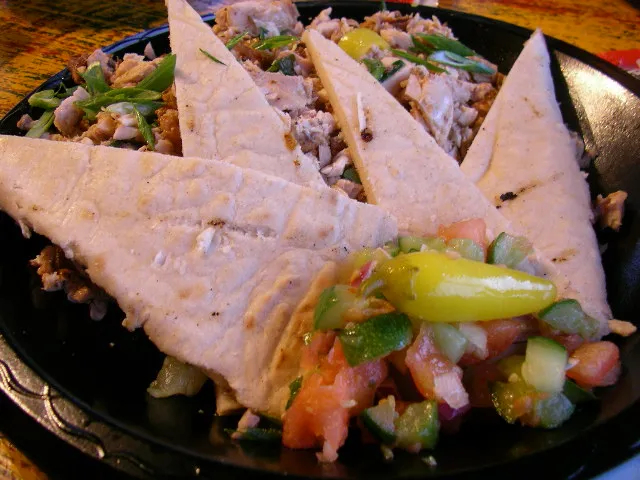
Photo: Hajime NAKANO from Tokyo, Japan, CC BY 2.0, via Wikimedia Commons
There's a moment every Chamorro living on the mainland knows well. You're standing in the produce aisle of a Walmart in Texas, or a Safeway in Sacramento, holding a lemon in one hand and your phone in the other, googling whether you can actually get away with substituting it for the calamansi your auntie back in Dededo swears by.
The short answer: it's complicated. The longer answer is that Chamorro food has always been adaptable, and the thousands of islanders who've moved stateside have gotten remarkably creative at keeping the flavors of home alive.
Why Kelaguen Hits Different
If you didn't grow up eating it, kelaguen can be hard to explain. It's not quite a ceviche, though chicken or shrimp versions get "cooked" by acid the same way. It's not quite a salad, though there's often cucumber, onion, and hot pepper involved. It's a dish that tastes like fiestas, like parish fundraisers, like the table at your grandma's house where somebody's always going back for thirds.
Kelaguen manok — the chicken version — is the one most people miss most. Grilled or barbecued chicken, chopped fine, tossed with lemon juice, grated fresh coconut, green onions, and hot peppers like the small, fierce donne' that grow in almost every island backyard.
The problem is that almost none of those ingredients look the same at a mainland grocery store.
The Ingredient Translation Guide
We talked to home cooks from Washington State to Georgia about how they make it work. Here's the consensus.
The chicken: Boneless thighs, grilled over charcoal if you can get it, or hit with a little smoked paprika on the stovetop if you can't. The smoke matters. Kelaguen made with plain baked chicken tastes like a different dish entirely.
The coconut: This is the hill a lot of cooks die on. Frozen grated coconut — available at Filipino, Thai, and Pacific Islander markets, often under brands like Maggi or generic frozen packs — is the closest thing to fresh. Sweetened flaked coconut from the baking aisle is not it. "If all you can find is the baking kind, rinse it and squeeze it dry, but honestly, find an Asian market," says one cook we spoke with in Las Vegas.
The citrus: Calamansi is the gold standard, and honestly, frozen calamansi juice and bottled concentrate have both gotten easier to find online and at Asian groceries. If you're stuck, a mix of lemon juice with a splash of lime gets you closer than lemon alone.
The heat: Donne' seviyo — the tiny bird's eye peppers — are hard to find fresh stateside. Thai bird chilies are a nearly identical stand-in. Serranos work in a pinch, but use less; they're bigger and milder.
The red rice: Achote (annatto) seeds are the secret to the sunset-orange red rice that shows up at every fiesta. Look for them in Latin markets labeled achiote — they're the same seed. Steep them in warm water or oil until it turns deep orange, then cook your rice in that liquid with onions and garlic. A jar of achote powder works too, though the seeds give a rounder flavor.
More Than a Recipe
Here's the thing every cook we heard from eventually circled back to: making kelaguen on the mainland isn't really about the food. It's about what the food does.
One woman in San Diego described hosting a kelaguen-making day for her kids' friends — none of them Chamorro — because she wanted them to understand where she was from. Another cook in North Carolina talked about driving two hours to the nearest Pacific Islander market, stocking a cooler, and freezing portions so the taste of home lasts until the next trip.
Food is how culture travels when people can't bring everything with them. And kelaguen, which requires no special equipment and comes together in under an hour once your ingredients are prepped, might be the most portable piece of home there is.
Find Your People
A final tip for anyone craving a taste of the Marianas: you're probably not as alone as you think. Chamorro clubs and CNMI and Guam community groups are active in Hawaii, California, Washington, Texas, and growing pockets across the South and Midwest. Many host fiestas, coconut-grating demonstrations, and — yes — kelaguen competitions.
And if there's no group near you? Start the table yourself. Buy the frozen coconut, fire up the grill, and invite the neighbors. That's how it works back home, anyway. The island is wherever the food gets shared.
Got a mainland kelaguen trick we missed? We're always collecting them — the more creative, the better.