Finding Famagu'on Across the Freeways: Mainland Chamorros Are Rebuilding the Family Tree, One Cousin at a Time
The first clue came from a stranger's comment on a photo. Joanne Santos — a second-generation Chamorro living outside Sacramento, born and raised in California, never once set foot on Saipan until she was thirty-four — had posted an old snapshot of her grandmother standing in front of a concrete house in Chalan Kanoa. A woman she'd never met commented: "That's my grandmother's sister."
That's how it goes for a lot of us these days. One comment, one shared surname, one DNA match labeled "close relative" and suddenly you've got cousins in Las Vegas, San Diego, and Jacksonville you didn't know existed.
The Scattering Wasn't a Choice
Chamorro families didn't disperse because anyone wanted to leave. Military service carried a generation off to San Diego, Norfolk, and everywhere the Navy pointed. Economic migration followed — the promise of steady work on the mainland pulling uncles and aunties out one by one, each departure a little quieter than the last.
By the time the grandkids came around, the chain had stretched thin. Many of us grew up knowing we were Chamorro the way you know your blood type: it's on file, but you couldn't exactly point to it. Grandma's stories came in fragments. The language showed up in kitchen words and scoldings. The island itself was a plane ticket nobody could quite afford.
But here's the thing about clans: they don't dissolve. They just wait.
The Digital Fiesta
Scroll through any of the big Chamorro community Facebook groups and you'll see the pattern repeat daily. Someone posts a surname from Saipan or Guam. Someone else says "that's my lolo's brother's family." Within a day, a dozen relatives are tagging each other, comparing grandmothers, discovering they've been living forty minutes apart in Texas for a decade.
DNA testing added a whole new layer. Ancestry and 23andMe matches have reunited cousins who share nothing but a great-grandfather from Tanapag and a stubborn streak. Genealogy spreadsheets get passed around like recipes. Somebody's aunt, inevitably, becomes the family historian — the keeper of the Excel file that now runs eleven tabs deep.
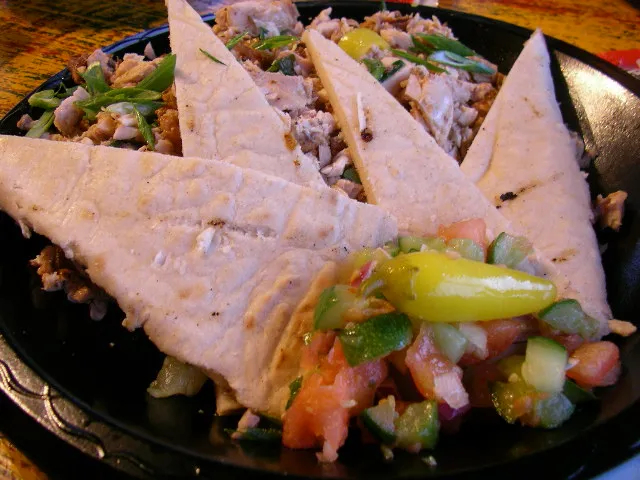
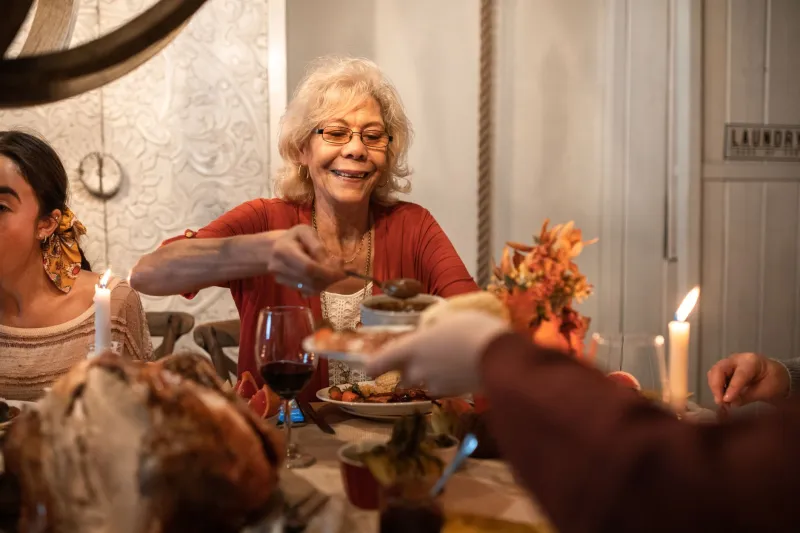
And when the online connections solidify, they spill into real life. Mainland Chamorro associations host fiestas in rented VFW halls and church parking lots from SeaTac to Orlando. Red rice in industrial rice cookers. Kelaguen made with whatever protein was on sale. Someone's uncle playing guitar until the neighbors complain. For a few hours, the distance doesn't matter.
What "Coming Home" Means When Home Is Far Away
Here's the part that hits different: for a lot of second- and third-generation folks, "going back" isn't simple. The Marianas are expensive to reach. Some have never been. Others went once as kids and remember mostly the heat and being fed until they cried.
So the community has redefined homecoming. Coming home might mean a cousin's backyard in Houston, where the rosary is being said in Chamorro by a grandmother who never let the language go. It might mean a Zoom call where three states compare notes on whose grandmother made the best apigigi. It might mean finally booking that flight at forty, standing in the lagoon's shallows, and feeling something click that no mainland fiesta could quite deliver.
The older generation, to their credit, mostly seems thrilled. The aunties who spent decades answering "what's that smell?" questions at office potlucks now watch their grandkids arguing over the right way to season finadene. The clan that time scattered is reassembling — not on one island, but in a loose, living network that stretches coast to coast.
Start With One Name
If you're one of those Chamorros with a half-known family tree, the advice from people who've done it is consistent: start small. Ask the eldest relative you have for five names. Post one photo. Join one group. Order the kit if you want — but know that the DNA match only opens the door. The stories are what carry you across the threshold.
Because a family tree isn't really about branches on a chart. It's about knowing who you belong to. And clans, as it turns out, can be rebuilt from anywhere — even from a cul-de-sac seven thousand miles from the lagoon, one newly discovered cousin at a time.