The Mango Is the Receipt: Learning the Honor System on Saipan’s Back Roads
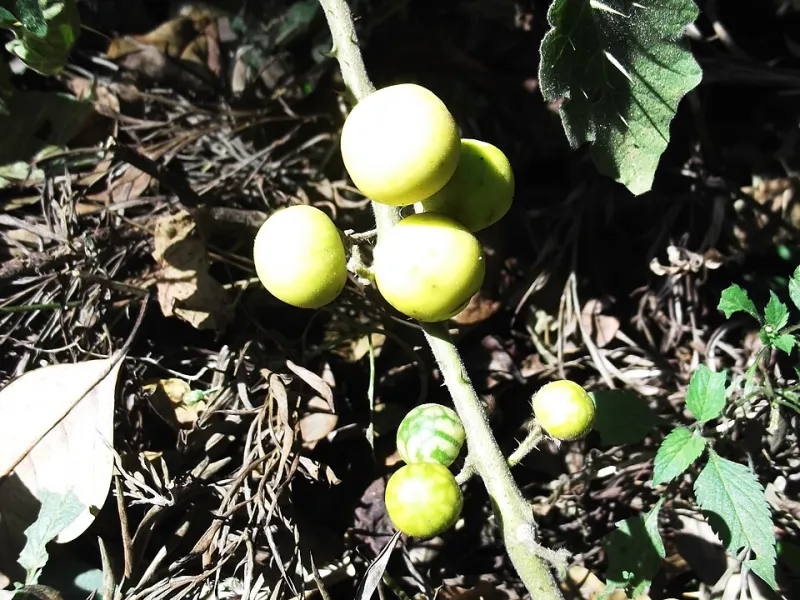
Photo: Yercaud-elango, CC BY-SA 4.0, via Wikimedia Commons
On Saipan, the best fruit stand often looks like a rumor. A few mangoes in a plastic basin. A bunch of bananas hanging from a rafter. A coconut or two, a hand-lettered sign, and a plastic container with a slit cut into the lid. No cashier. No card reader. No one watching from the shade—at least not in a way you can prove.
That’s the honor box, and it’s one of the island’s most quietly useful institutions. You take what’s ripe, leave what it costs, and drive on. The whole exchange can take less time than waiting for a traffic light in Garapan. But the ease is the surface. Underneath is a small economy built on seasonality, neighborliness, and the understanding that everybody’s auntie knows everybody’s uncle.
A Stand Is Not a Store
A supermarket wants you to buy more than you need. A roadside stand usually wants you to take what’s ready and come back when it’s good again. That’s the first mental shift.
These stands show up along Beach Road, Middle Road, Kagman Road, and the smaller lanes that cut through villages like Chalan Kanoa, Susupe, Dandan, and Koblerville. Some are permanent wooden shelters. Some are a cooler and a folding chair. Some are a table under a tarp with a jar for cash and a prayer card taped to the side. The inventory changes because the land changes. Breadfruit drops when it drops. Mangoes arrive in a rush and then disappear. Bananas are more dependable, but even they have opinions.
This is not a curated farmers market with chalkboard varietals. It’s a roadside edit of what someone’s yard, farm plot, or family network produced this week.
What Season You’re Driving Through
A visitor’s biggest mistake is treating the stand like a vending machine. If the basin is nearly empty, that’s not bad customer service. That’s the season talking.
Mangoes tend to draw the most excitement, and for good reason. A ripe Saipan mango eaten warm in the car is a whole event. Breadfruit—lemmai—is starchier and more versatile, the kind of thing that becomes dinner rather than dessert. Bananas, papaya, coconut, limes, and whatever else a family has surplus of will rotate through. Sometimes you’ll see prepared items or value-added jars. Sometimes it’s just fruit and a sign that says what it costs.
If you don’t know what something is, ask. If no one is around, don’t poke, squeeze, or reorganize the pile. Take a photo of the sign if you need to remember the price. And if the stand is clearly someone’s front-yard operation, remember you’re in their driveway, not a retail aisle.
The Etiquette Is the Product
The unwritten rules are simple, but they matter more than the fruit.
- Bring small bills. A $20 for a $3 bunch of bananas can wipe out the change box and make the next customer’s day harder. Exact change is the gold standard.
- Pay for what you take. The box works because people don’t treat it as a suggestion. If you’re short, put back what you can’t cover.
- Don’t haggle with a jar. There’s no one to negotiate with, and the price is usually already fair.
- Close the cooler. Shut the lid. Put the bunch back the way you found it. Heat and sun are not abstract concepts here.
- Leave the box alone. Don’t dig for change, don’t make your own change, and don’t “borrow” from it. That’s not a box; it’s a community agreement with a lid.
- Respect the sign. If it says not ripe, not for sale, or please don’t pick, that’s the whole answer.
- Ask before photographing people or property. The stand may be picturesque to you. It’s still someone’s yard, farm, or family project.
- Pack out your trash. A plastic bag blowing across the road is a bad tip.
Some stands now accept mobile payments or have a phone number for orders. Don’t assume. The honor box is still the default for a reason: it works when the cell signal doesn’t.
The Box Is the Point
The cash container is usually unremarkable—a plastic tub, a coffee can, a wooden box with a slot. That’s what makes it interesting. It’s a small public declaration that the seller trusts the road.
That trust isn’t naive. It’s practical. Running a staffed stand for a few dozen mangoes doesn’t make sense. Hiring someone to watch a cooler of coconuts would eat the profit. The honor system lets a family sell surplus without turning their day into a shift. It also lets customers buy something without a transaction fee, a loyalty app, or a receipt printed on thermal paper.
The mango is the receipt. The empty space in the box is the ledger.
A Small Economy With a Long Memory
These stands are not a cute throwback. They’re part of how food moves on an island where shipping costs are real and supermarket produce has traveled a long way. A backyard tree that produces more than a family can eat becomes a little income. A farmer with a good week avoids watching the surplus rot. A neighbor gets dinner without driving across the island.
There’s also a social layer. People know whose stand is whose. They know which family keeps the best bananas or who has the tree that makes the good pickles. Reputation travels faster than any delivery route. Leave the box short, and you’re not just stealing a dollar. You’re messing with a system that depends on the next person doing right.
That’s why the honor box feels less like a payment method and more like a local handshake. It says: you’re welcome here, and we’re counting on you to act like it.
If You’re Visiting
Start small. Buy one thing. Pay with exact change. Say thank you if someone is nearby. Don’t ask for a discount, don’t film a haul video without permission, and don’t treat the stand as a scavenger hunt.
If you’re staying for a while, learn the rhythm. Notice which stands are full after a good rain and which ones disappear when the season turns. Bring your own bag. Keep a few singles in the glove box. And when you find a good mango, remember the rule that keeps the whole thing running: take what you need, leave what you owe, and don’t make the next person pay for your shortcut.