From Finadene to Fiery Shelf Space: The Boonie Pepper’s Mainland Moment
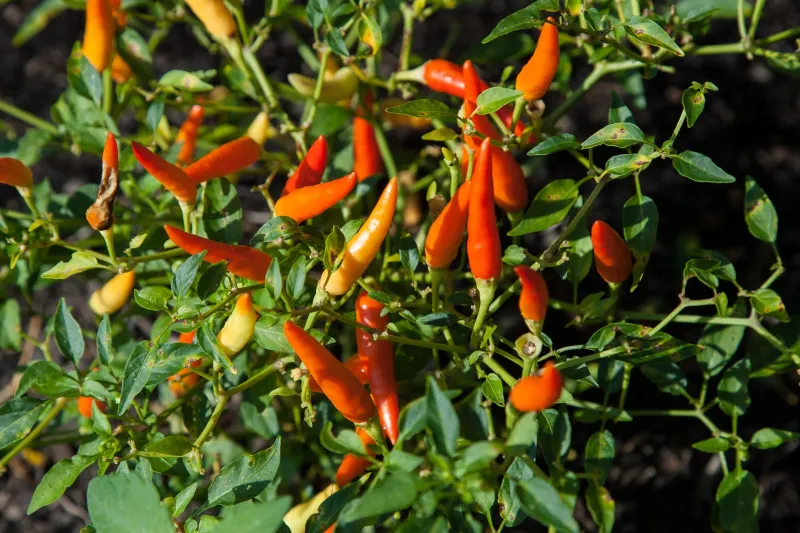
The boonie pepper does not look like trouble. It is small, often upright, and easy to overlook in a crowded garden bed. Then you bite into one and remember why generations of Marianas cooks treat it with a mix of affection and respect.
On Saipan, the boonie pepper is less a trend than a household fact. It shows up in finadene, the all-purpose dipping sauce of soy, vinegar, onion, and heat. It gets minced into kelaguen. It sits in a little bowl on the table the way a salt shaker sits on a mainland dinner table. But lately, this backyard pepper has been showing up in places it did not used to be: mainland hot-sauce labels, chef specials, seed swaps, and community garden plots from California to the East Coast.
A Backyard Pepper With a Long Memory
The boonie pepper—often called donne’ sali in Guam and known broadly as a type of Capsicum frutescens—is woven into Marianas foodways. It is not a mass-market crop. It is a family plant, passed along as seeds or starts, often growing in a bucket near the kitchen door. Its heat is sharp and immediate, but there is also a green, almost grassy flavor underneath, especially in the unripe or freshly picked peppers.
That combination is exactly what makes it interesting to cooks outside the islands. It is hot, yes, but it is not only hot. It tastes like place.
Saipan grower and seed saver Lina Cabrera says the pepper’s reputation travels faster than the plant itself. ‘People hear boonie pepper and think they are ready,’ she says. ‘Then they put a whole one in a sauce and call me. I tell them, start with half. Maybe less.’
Cabrera has been saving seeds from her family’s plants for years. She says the best boonie peppers are not necessarily the prettiest. ‘The little ones that look angry,’ she says with a laugh. ‘Those are the ones.’
Why Chefs Are Paying Attention
Mainland hot-sauce shelves are crowded, but they are also hungry for stories. Consumers have moved past generic heat and into regional peppers, fermentation projects, and small-batch labels. The boonie pepper fits that mood. It has a distinct name, a clear cultural home, and a heat level that gets attention without requiring novelty-extract gimmicks.
Chefs in Los Angeles, Seattle, and Brooklyn have started using boonie peppers in limited runs: in vinegar-based sauces, in marinades for grilled chicken, even in a bloody mary riff. The appeal is partly the burn, but also the way the pepper behaves in a sauce. It does not disappear. A little goes a long way, and the flavor stays bright.
Danny Reyes, a Chamorro hot-sauce maker based in Southern California, says the challenge is consistency. ‘You cannot treat boonie peppers like a commodity crop,’ he says. ‘The heat varies. The size varies. You have to build a recipe that can flex.’ Reyes sources frozen peppers from family connections and a small network of mainland growers. He says his customers often ask if the sauce is ‘really’ Chamorro. ‘I tell them it is really pepper,’ he says. ‘The rest is family recipe.’
That family-recipe quality is both the pepper’s strength and its scaling problem. Mainland makers cannot always get the volume they need, and they cannot always guarantee the same heat level from batch to batch. For now, that inconsistency is part of the story. It is a backyard pepper, not a factory one.
The Diaspora Garden Plot
For mainland Chamorros, growing boonie peppers is a way to keep a hand in home. Seeds travel in envelopes, tucked into birthday cards or passed at family reunions. In colder states, the plants live in containers and move indoors when the first frost threatens. In warmer places, they sometimes survive the winter and turn into small woody shrubs.
The growing setup is not complicated, but it is specific. Boonie peppers want heat, sun, and decent drainage. They do not like cold soil. In most of the mainland, that means starting seeds indoors eight to ten weeks before the last frost, then transplanting once the soil has warmed. A five-gallon container is enough for a healthy plant. A sunny patio is better than a shady balcony.
There is also a social side to the garden plot. Seed swaps among Chamorro families and Pacific Islander community groups have helped keep different lines of boonie peppers in circulation. Some growers swear by the rounder peppers; others prefer the slender ones. The arguments are friendly and ongoing.
Buying Without Getting Burned
If you are shopping on the mainland, start with specialty Filipino, Pacific Islander, or Asian grocery stores, then look online. Boonie peppers are sold fresh, frozen, dried, and powdered. Frozen is often the best compromise for flavor. Dried peppers are convenient for sauces and infused vinegar. Powder should smell sharp and peppery, not dusty.
Read labels closely. A bottle that says ‘boonie-style’ may not contain boonie peppers at all. Look for the actual pepper name in the ingredients. If you are buying seeds, find a seller who can tell you where the stock came from. And before you plant or ship anything, check your state’s agricultural rules. Some places have restrictions on moving pepper plants and seeds.
Growing Your Own, Carefully
Boonie peppers are not difficult, but they are not forgiving of neglect. Give them full sun, warm soil, and steady water. Do not overfeed them; too much nitrogen gives you leaves and not enough fruit. Pinch off early flowers if you want a sturdier plant. Wear gloves when you harvest. The pepper’s heat can linger on your fingers longer than you expect.
If you live in a cold climate, plan to overwinter the plant indoors. Cut it back, keep it near a bright window, and water sparingly. It will look sulky for a while. Then spring comes, and it starts again.
Cooking With Fire
The classic entry point is finadene. Start small: soy sauce, vinegar, sliced onion, and one boonie pepper, minced. Let it sit for ten minutes. Taste. Add more pepper only if you are sure. This is not a sauce for heroics. It is a sauce for grilled fish, chicken, rice, and pretty much anything else on the plate.
For a simple hot sauce, blend a handful of boonie peppers with vinegar, garlic, and salt. Let it mellow in the fridge overnight. The heat will soften slightly, and the green flavor will come forward. Use it sparingly on eggs, tacos, or rice. And ventilate your kitchen when you cook with the peppers. The steam is no joke.
The boonie pepper is not coming for every shelf. It is too small, too variable, and too tied to family gardens for that. But it is coming for more of them. And mainland chefs, whether they are ready or not, are about to learn what Saipan cooks have known all along: the little pepper is the one that stays with you.