The Great Green Mango Pipeline: Inside the Diaspora's Fruit-Shipping Economy
There's a moment every spring when the group chats light up. Someone's auntie posts a photo from a tree in As Akfag or Kagman — mangoes the size of softballs, still green, still hard — and within hours, mainland cousins are typing the same question they type every year: Can you ship it?
The answer, technically, is yes. The answer, emotionally, is always yes. But getting a green mango from Saipan to San Diego in one piece — and getting it to taste like Saipan when it arrives — is a project that has consumed families, small businesses, and at least one very determined retiree in Sacramento with a greenhouse in his backyard.
The Bôi Standard
Ask anyone from the islands what makes green mango worth eating and they won't start with the mango. They'll start with the dip. Bôi — that salty, tangy mix of soy sauce, vinegar, hot pepper, sometimes a smash of calamansi — isn't a condiment so much as a requirement. A shipped mango without a care packet of the stuff is considered a failed shipment regardless of the fruit's condition.
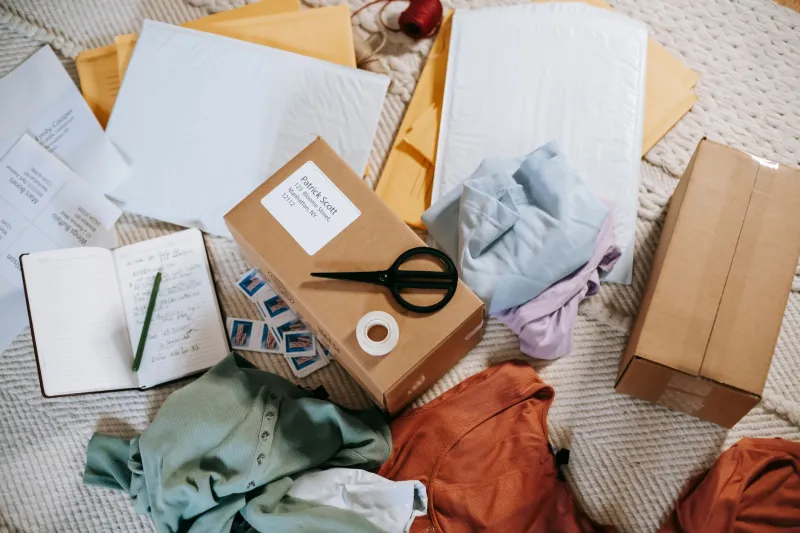
That's why the boxes that leave the Marianas are rarely just boxes of fruit. They're care packages: mangoes wrapped individually in newspaper or foam nets, a bottle of soy sauce sealed three times, fresh peppers from the yard if the sender is feeling generous. One shipper we spoke with, who runs a small operation out of her garage in Garapan, says she includes handwritten heating instructions like it's a recipe. "Because they forget," she laughs. "Second generation, they know kelaguen but they don't know bôi. So I write it down."
What the Mail Allows (and What It Doesn't)
Here's where the pipeline gets complicated. Fresh fruit moving between islands and the US mainland runs into a wall of agricultural regulations — some sensible, some maddening, all enforced. Mangoes themselves can often travel with proper treatment and documentation. But the seeds? Cuttings? That beautiful breadfruit that somebody's uncle swore he could get rooted?
Generally: no.
Which, of course, has never fully stopped anyone. Every diaspora family has a story — a cousin who taped a seed inside a diaper, a grandmother who carried calamansi seedlings in a damp towel through two airports, a cutting that lived in a water bottle on a lap for eleven hours. Some of these botanical smuggling operations succeed. Many don't. All of them are told with a mix of defiance and pride at family gatherings.
The legal route exists too: certified, inspected, propagated material from licensed nurseries. You can buy a grafted mango tree, a calamansi, even breadfruit varieties through legitimate channels. But something gets lost in the paperwork. As one second-generation gardener in Las Vegas put it, "The tree my mom smuggled in a sock isn't the same as one from a catalog. It's not about the genetics. It's about the sock."
The Clone Problem
And yet — here's the twist — even the sock tree doesn't quite deliver. Ask the gardeners who've been at this for decades and you'll hear the same refrain: the fruit grows, but it doesn't taste right.
Food scientists would say this is terroir doing its quiet work. The volcanic soil, the trade winds, the salt in the air, the specific rhythm of wet and dry season — all of it shapes the fruit in ways a backyard in Fresno can't replicate. A mango tree in the Marianas drinks a different life than a mango tree in a Texas greenhouse, and the difference shows up on the tongue.
The greenhouse gardeners know this. They keep trying anyway. Calamansi does surprisingly well in containers — it's practically the gateway drug of island gardening. Breadfruit is harder; it wants heat, humidity, and patience. Mangoes fall somewhere in between, thriving in Southern California and Florida, sulking everywhere else.
"My tree fruited for the first time last year," one gardener told us. "My mom visited, tried one, and said, very kindly, 'It's almost there.' Almost. After nine years. Almost."
Why We Keep Ordering
So the pipeline continues. Boxes fly west every spring. Group chats fill with tracking numbers and photos of fruit nestled in shredded newspaper. Someone's uncle starts a new experiment in a raised bed. Someone's auntie writes the bôi instructions on a folded piece of paper one more time.
It would be cheaper to buy mangoes at the grocery store. It would be easier to accept that some flavors stay on the island. But that was never really the point.
The mango in the box isn't just fruit. It's proof that the family tree — the real one, the one that stretches from Susupe to Seattle — still bears. Every shipment is a cousin saying: I stood under this tree so you could taste it too.
And no, it never tastes exactly the same. But eaten with a hastily mixed bowl of bôi, seven thousand miles from the branch it grew on, it tastes like something else entirely: home, arriving slightly bruised and right on time.